EV, the potential of a new silicon electrode
9 January 2026
FAAM, an 8 GWh Gigafactory Strengthens Battery Production
2 February 2026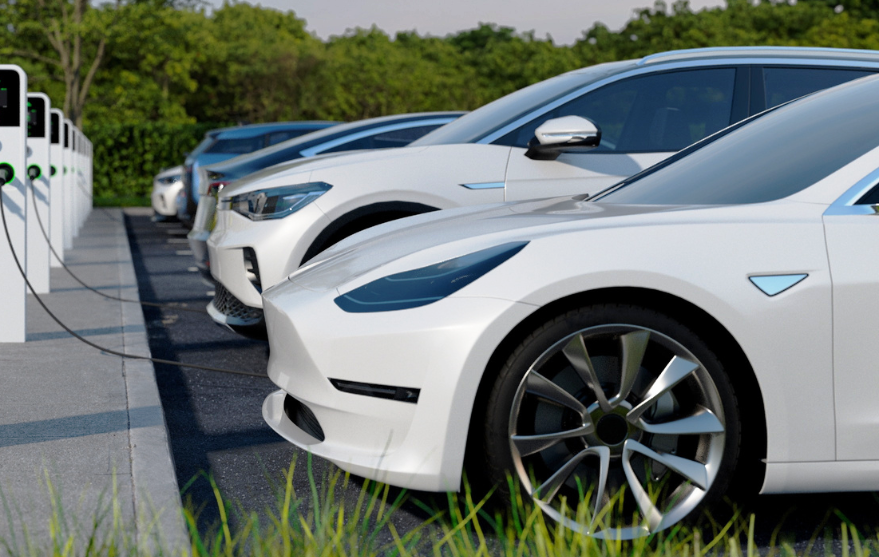
In 2025, 94,230 fully electric vehicles were registered in Italy, marking a 46.1% increase compared to the previous year and raising the market share from 4% to 6.2%. By the end of last year, the number of electric cars on Italian roads had reached 365,091.
These are the latest figures from Motus E, the Italian association promoting electric mobility, which also highlights the rise in registrations of electric light commercial vehicles. These grew by 118% to 8,234 units, with their market share increasing from 2% to 4.6%.
Despite this positive trend, Italy’s market share for BEV (100% electric) models remains far behind countries such as the United Kingdom (22.8%), France (19.6%), and Germany (18.8%).
“The 2025 numbers must be interpreted carefully to plan the strategies to be implemented in the immediate future,” said Fabio Pressi, president of Motus E. “The combination of incentives in the final part of the year and the growing availability of mass‑market electric models has revealed a clear interest among Italians in this technology, which can be leveraged to close the worrying gap with other European countries.”
“However,” Pressi continued, “the effect of the rush for the ISEE bonus will fade within a few months, and it is essential to plan the next steps to finally give the market the continuity and predictability that both consumers and the industry need.”
What should be done? According to Motus E, one of the necessary measures is aligning Italy’s corporate car taxation—still stuck in the 1990s—with European standards. The proposal, also supported by UNRAE (the National Union of Foreign Vehicle Representatives) and Federauto, the Italian federation of car dealers, is consistent with a European Union legislative initiative aimed at promoting the electrification of corporate fleets.
The fleet mandate, in fact, sets binding national targets for EU member states regarding new registrations of corporate cars and vans starting in 2030, to be achieved mainly through fiscal measures and incentives.
At the end of September, several industry associations also asked the government to “align the tax system with European best practices regarding deductibility, VAT recovery, and depreciation periods, with rules that encourage the renewal of corporate fleets and work vehicles—key drivers of market growth and the energy transition—generating environmental, economic, and employment benefits, as well as fiscal advantages, and improving the international competitiveness of Italian companies.”
Innovative technologies for the production and recycling of electric and hybrid vehicles for the automotive, transport, and industrial sectors will be showcased at E‑Tech Europe, taking place from October 7 to 9, 2026, at BolognaFiere as part of Urban Tech 2026 – The Urban Technology Show, the new event dedicated to e‑mobility, traffic, commuting, security, telecommunications & data, and the environment.
Subscribe to our newsletter and follow us on social media to stay updated on the next edition of E-TECH EUROPE!