France launches a European battery value chain for electric cars
26 March 2026
Hologistics: Europe accelerates toward zero-emission freight transport
30 March 2026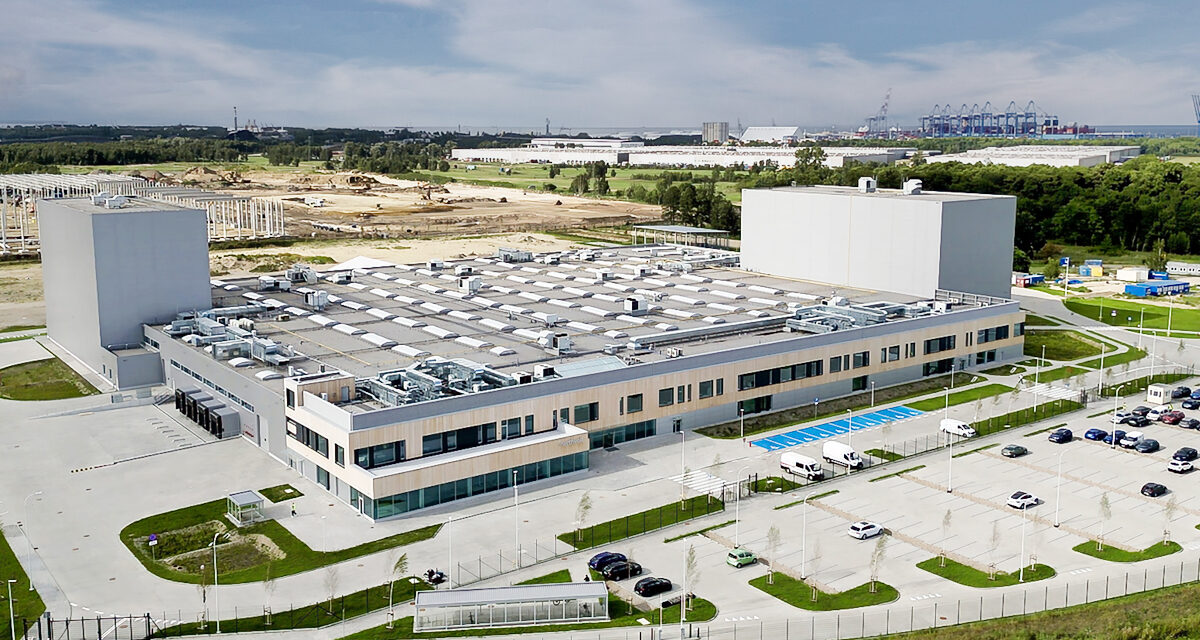
U.S.-based Lyten is accelerating its expansion in Europe and has identified Poland as one of its key markets for the future. The company has announced plans to develop a new industrial hub in Gdańsk, with a feasibility study scheduled for 2026 to define production requirements, energy infrastructure, and potential public–private partnerships.
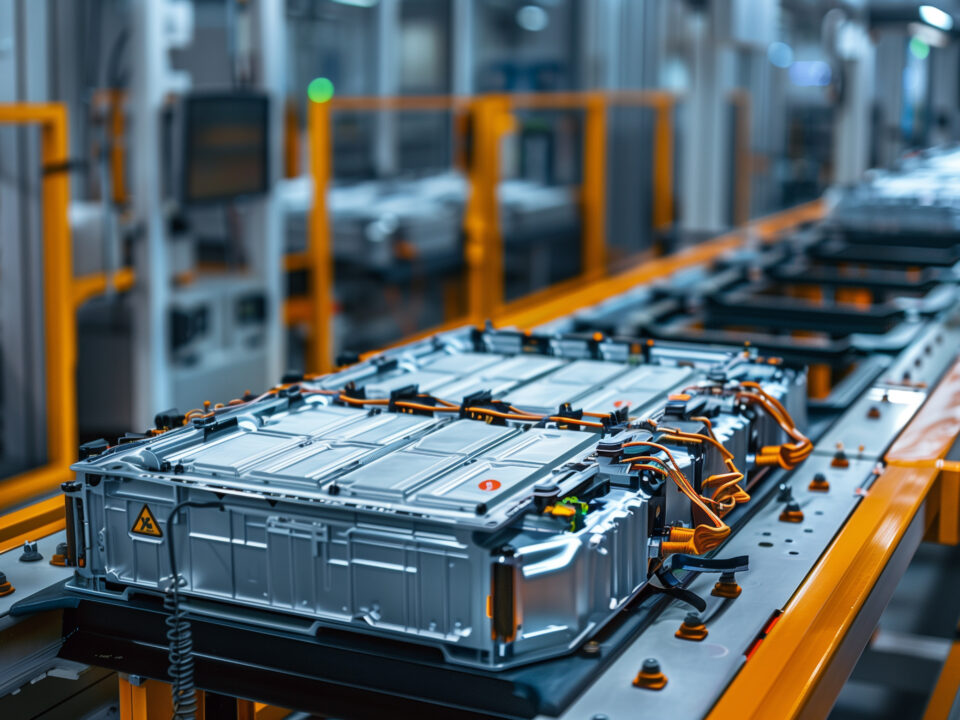
At the core of the project will be the Lyten Dwa site, already one of Europe’s most advanced facilities for the production of battery energy storage systems (BESS). It manufactures the Voltpack Mobile System, a modular solution powered by artificial intelligence capable of orchestrating multiple energy sources—from solar and wind to the electrical grid—with extremely fast response times, ensuring stability and continuity. This is becoming increasingly crucial to support the rollout of electric vehicles and charging infrastructure.
The initiative is part of a broader strategy aimed at integrating industrial production with digital infrastructure. Following the first hub announced in Skelleftea, developed on the former Northvolt Ett site and complemented by a data center built in collaboration with EdgeConneX, Lyten aims to replicate a model that combines batteries, energy management, and artificial intelligence. This approach responds to growing energy demand driven not only by electric mobility but also by the expansion of data centers and AI applications.
Advanced technologies may also be incorporated into the future Polish hub, including lithium-sulfur batteries for autonomous systems – such as drones and robots – as well as innovative materials based on 3D graphene. The goal is to create an integrated industrial ecosystem capable of attracting investment, fostering innovation, and strengthening Europe’s competitiveness in the battery value chain.
According to the company, the combination of manufacturing and digital infrastructure is a key differentiator: on one hand, it generates industrial employment; on the other, it attracts capital and prepares the region for growing energy demand.
If the project materializes, Poland could further consolidate its role as a European hub for energy and storage, contributing to the development of increasingly efficient solutions for the electric and digital transition. A key step forward for the future of zero-emission mobility.
Subscribe to our newsletter and follow us on social media to stay updated on the next edition of E-TECH EUROPE!