RailEvo, the electric and autonomous rail taxi for innovative mobility
8 May 2026
IT4LIA AI Factory, Europe’s New AI Supercomputer
11 May 2026
The electric car revolution is no longer driven solely by sales figures or driving range. The next major challenge concerns what will happen to batteries once they reach the end of their life cycle. And the numbers already show the scale of the transformation: by 2030, around 1.2 million electric vehicle batteries will reach the end of their useful life, while by 2040 that figure is expected to rise to 14 million.
This enormous industrial transformation could reshape the entire electric mobility supply chain and either accelerate, or slow down, the global energy transition.
A new report jointly produced by the European Patent Office and the International Energy Agency (IEA) outlines this scenario, analyzing the global race for innovation in battery recycling, reuse, and recovery.
With millions of electric vehicles already on the road and battery demand expected to grow rapidly in the coming years, the issue of end-of-life battery management is becoming central to sustainability, raw material supply, and energy security.
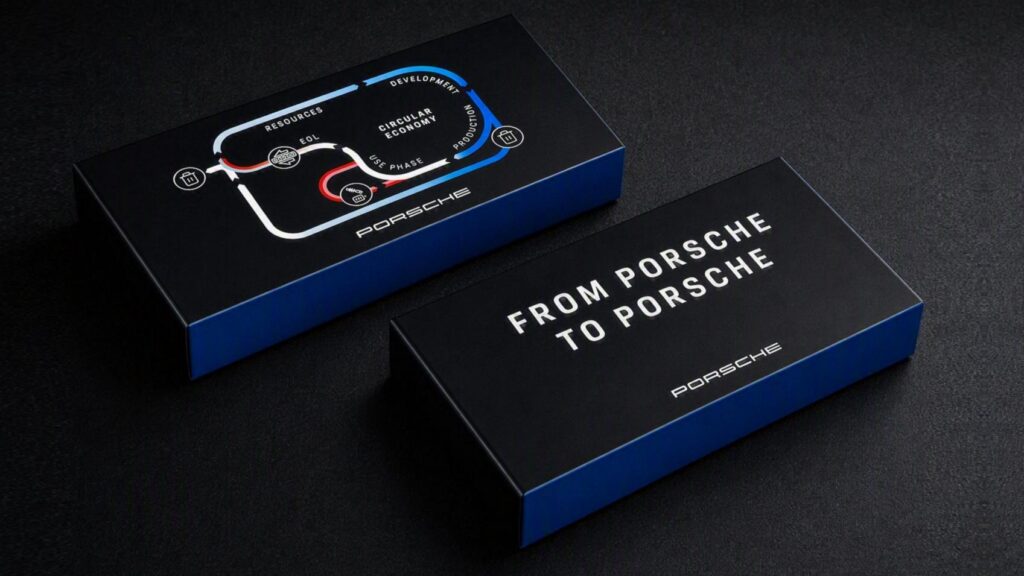
The report highlights how battery recycling is no longer viewed as a simple ancillary industrial segment, but rather as one of the key pillars for building a circular economy around electric mobility.
According to the study, the technological competition has already begun on a global scale: more than 16,000 inventions related to battery recovery and management have been identified, spanning 24 different technologies.
Recycling, Second Life, and Material Recovery
Innovation is taking place across several strategic areas. On one side are technologies aimed at recovering critical materials such as lithium, nickel, cobalt, and manganese, which are essential for reducing dependence on newly extracted raw materials. On the other, growing interest is focused on the so-called “second life” of their reuse in stationary energy storage systems for power grids, solar plants, and energy EV batteries infrastructure.
The goal is to extend the lifespan of batteries as much as possible, reducing environmental costs, emissions, and pressure on global supply chains. It is a strategic challenge for the automotive industry.
For the automotive sector, battery recycling has now become not only an environmental issue, but also an industrial and geopolitical one. Europe, the United States and China are accelerating investments to build local material recovery supply chains, considered essential for ensuring production independence in the race toward electrification.
In the coming years, the ability to recover valuable materials from used batteries could become just as important as battery production itself. In essence, the second life of the electric car has only just begun.
Innovative technologies for the production and recycling of electric and hybrid vehicles will be presented at E-Tech Europe, taking place 7–9 October 2026 at BolognaFiere, as part of Urban Tech 2026 – The Urban Technology Show, the new event dedicated to e-mobility, traffic, commuting, security, telecommunications & data, and environment.
Subscribe to our newsletter and follow us on social media to stay updated on industry news and the next edition of E-Tech Europe!