Used electric cars: a boom driven by rising fuel costs
10 June 2026
Battery Booster: Europe allocates €1.5 billion to strengthen domestic battery production
17 June 2026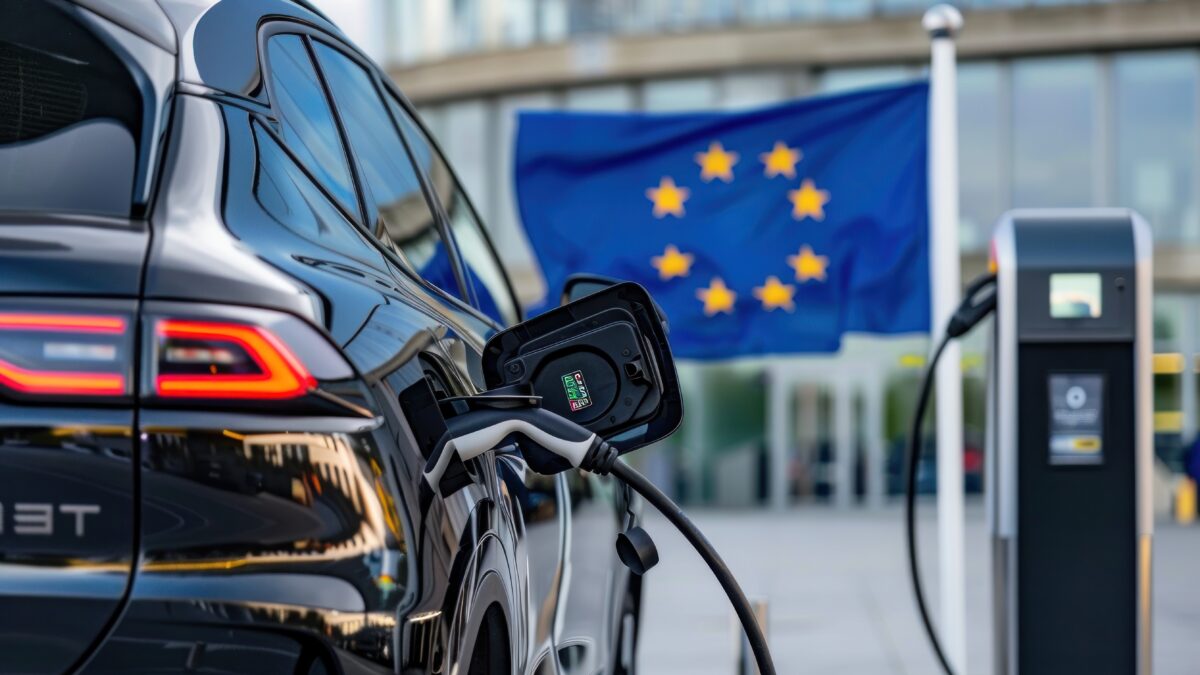
The European automotive industry is seeking to present a united front in the midst of the transition toward electric mobility. Stellantis, Volkswagen and Renault – three of the continent’s largest carmakers, jointly accounting for around 60% of European vehicle production – have submitted a joint commitment on “Made in Europe” to members of the European Parliament.
The document aims to strengthen the competitiveness of the EU automotive sector at a time when the industry is undergoing a profound transformation driven by electrification, digitalisation and increasing global competition. The stated goal is clear: to ensure Europe remains a global automotive powerhouse for decades to come.
According to details previously reported by the Financial Times, the three groups are calling for a simpler, more coherent and above all stable regulatory framework capable of supporting long-term industrial investment. The manufacturers argue that the automotive energy transition risks being slowed down by fragmented rules and a competitive environment that does not fully reflect the cost gap with other global markets.
The “70:70 in the EU27” project
At the core of the initiative is an ambitious policy proposal summarised in the “70:70 in the EU27” formula. The idea is to build an industrial framework in which at least 70% of vehicles sold in Europe are also produced at least 70% within the 27 EU Member States. According to the signatories, this target would strengthen the European supply chain, reduce external dependencies and encourage new industrial investment across the region.
The companies stress that this is not just about numbers, but about a broader industrial strategy. “Made in Europe” is not seen merely as a label of origin, but as a tool to promote reshoring of production activities and the development of a more integrated and resilient value chain.
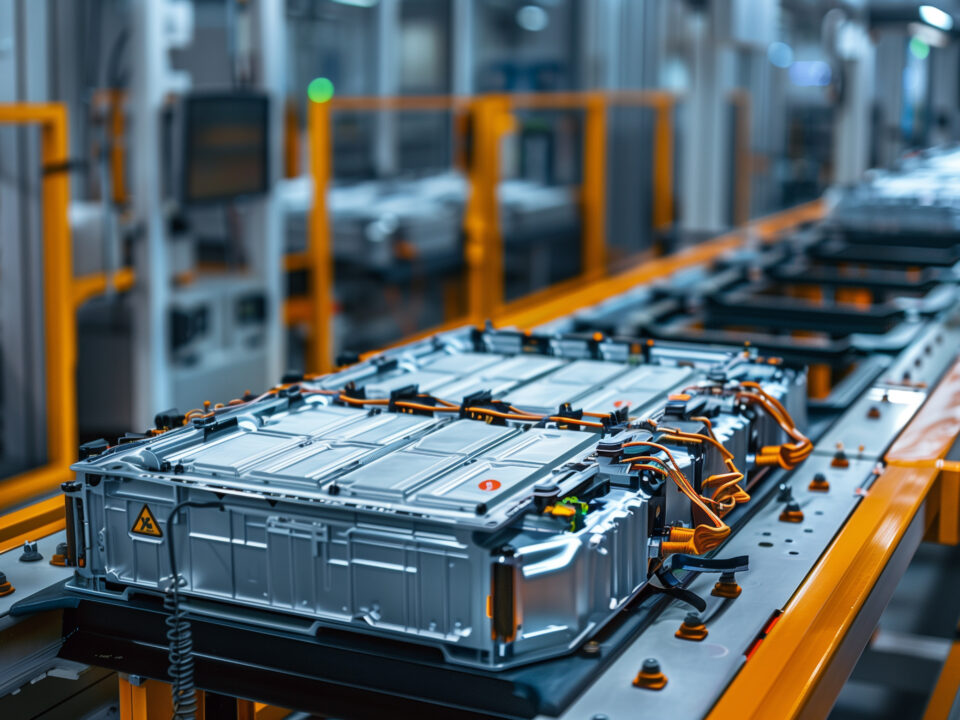
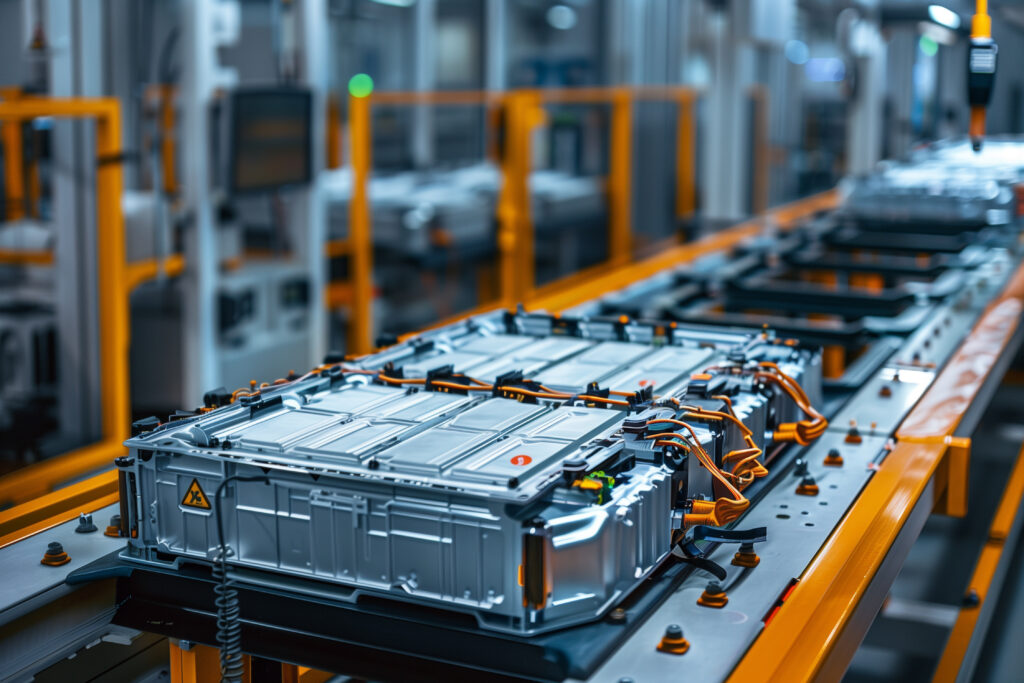
Particular emphasis is placed on batteries, considered the core of the new electric automotive industry. The document calls for stronger and more targeted support for European battery production, which still lags behind major international competitors. In addition, the manufacturers urge policies that make electric vehicles more affordable, especially in the small and mass-market segments.
Another key point concerns regulatory flexibility, which the three carmakers believe should be adapted pragmatically to different vehicle types, without slowing down the transition but taking into account Europe’s industrial specificities.
The message from Brussels is therefore twofold. On one hand, major automotive groups reaffirm their commitment to electrification and the sector’s transformation. On the other, they call on the European Union to accompany this shift with a more decisive industrial policy, capable of preventing the transition from turning into a loss of competitiveness against the United States and China.
Ultimately, the stakes are also geopolitical: for Stellantis, Volkswagen and Renault, the goal is to keep Europe at the centre of global automotive production at a time when the industry is changing faster than ever before.
Subscribe to our newsletter and follow us on social media to stay updated on industry news and the next edition of E-Tech Europe!