EV: Stellantis, Volkswagen and Renault call for a common “Made in Europe” strategy
16 June 2026
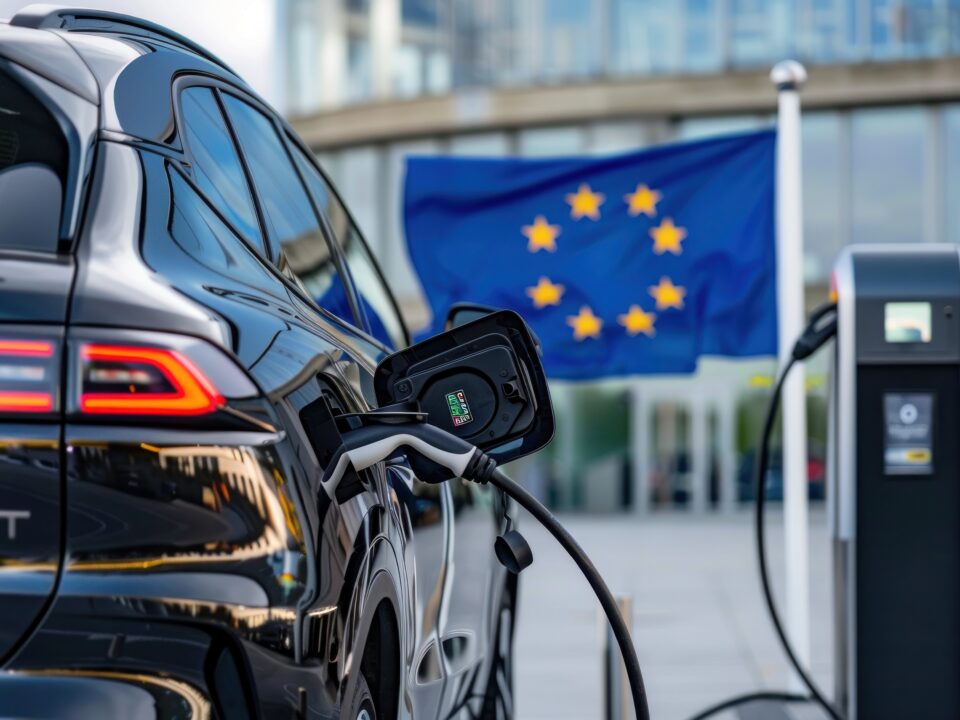
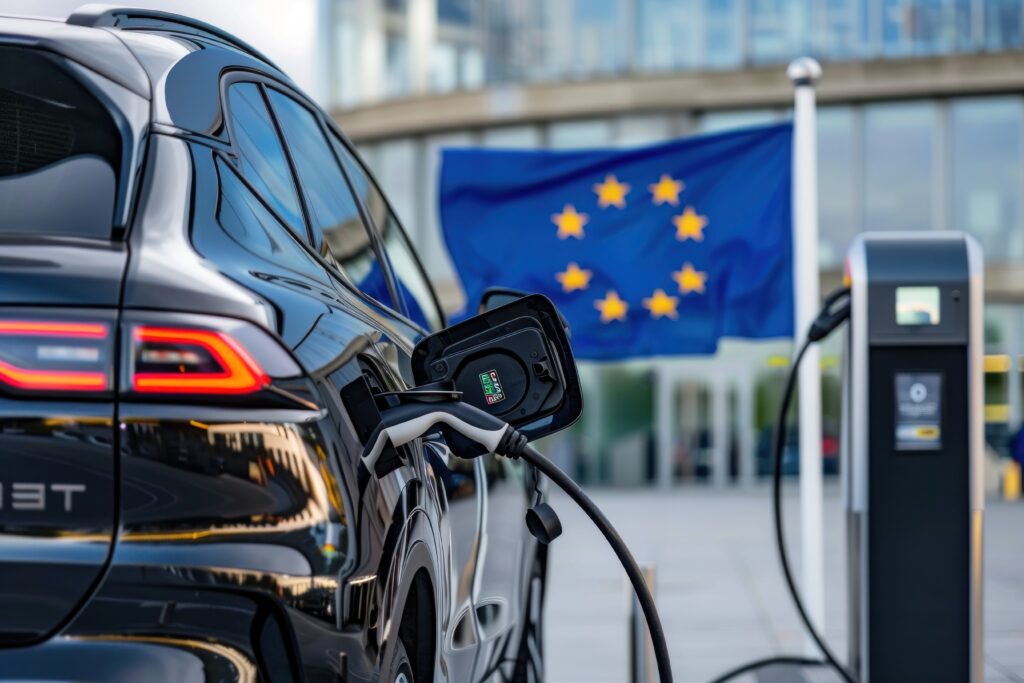
The European Commission has turned its attention to one of the most critical elements of the electric transition: batteries. With the new Battery Booster Facility, Brussels is putting €1.5 billion on the table to support the establishment and expansion of production plants across Europe, with a clear goal: reduce reliance on foreign suppliers and strengthen the industrial value chain for electric vehicles.
The political message is straightforward. Without an independent battery manufacturing capacity, Europe risks remaining a strong market but one that is technologically dependent. For this reason, the programme aims to support facilities capable of producing at least 10 GWh per year, a threshold now considered the minimum to compete on a global scale.
One of the most significant innovations does not lie in the amount of funding itself, but in how it will be distributed. Unlike many previous European programmes, the Battery Booster is not based on grants, but on zero-interest loans, up to a maximum of €500 million per project.
The idea is to make industrial operators more financially accountable while still enabling growth during the most capital-intensive phase: when plants move from design to full-scale production. The fund is financed through revenues from the EU Emissions Trading System (ETS), which are reinvested directly into the industrial transition. In practice, the costs of decarbonisation are turned into capital for new technologies.
Batteries in Europe: for electric vehicles, but not only
To access funding, projects must be located within the European Economic Area and meet strict technical requirements. The main focus remains electric mobility, but the Commission also leaves room for other applications.
The batteries produced must be suitable for electric vehicles, but they may also be used in other sectors, such as grid-scale energy storage or defence-related applications. This makes the programme not only an EV initiative, but part of a broader European strategy on energy storage and industrial resilience.
The Battery Booster does not stand alone. It is part of a wider policy framework on batteries and industrial competitiveness, including new rules on the battery life cycle and the Industrial Accelerator Act, both aimed at strengthening sustainability, recycling, and domestic production. The central goal remains the same: building a fully integrated European battery value chain, from cell manufacturing to material recovery.
The timeline is tight. The official call for proposals is expected in the third quarter of 2026, with companies given around six weeks to submit applications. The evaluation phase will follow, with the aim of selecting winning projects and disbursing the first funds before the end of the same year.
The Battery Booster complements other existing initiatives, such as the €1 billion IF24 programme and €200 million in guarantees launched with the European Investment Bank under InvestEU.
Overall, Brussels is clearly accelerating the development of a genuine European battery industry, a step seen as crucial not only for electric mobility, but for the continent’s entire energy and industrial system.
Subscribe to our newsletter and follow us on social media to stay updated on industry news and the next edition of E-Tech Europe!