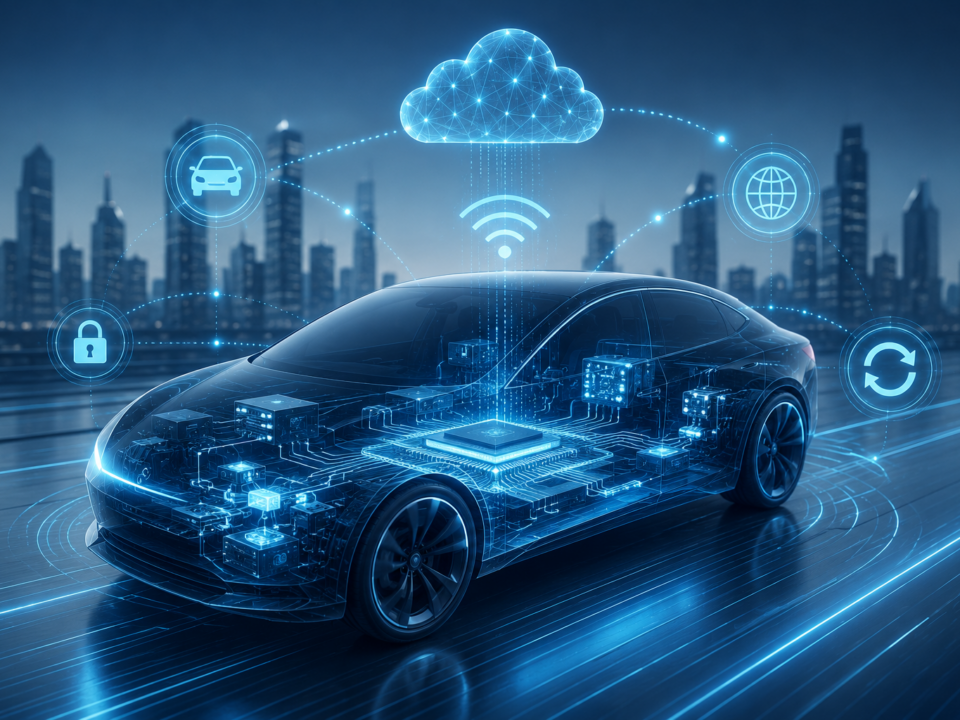
Software-Defined Vehicles: The Future of Automotive Innovation Driven by Software, Connectivity and Continuous Updates
29 July 2026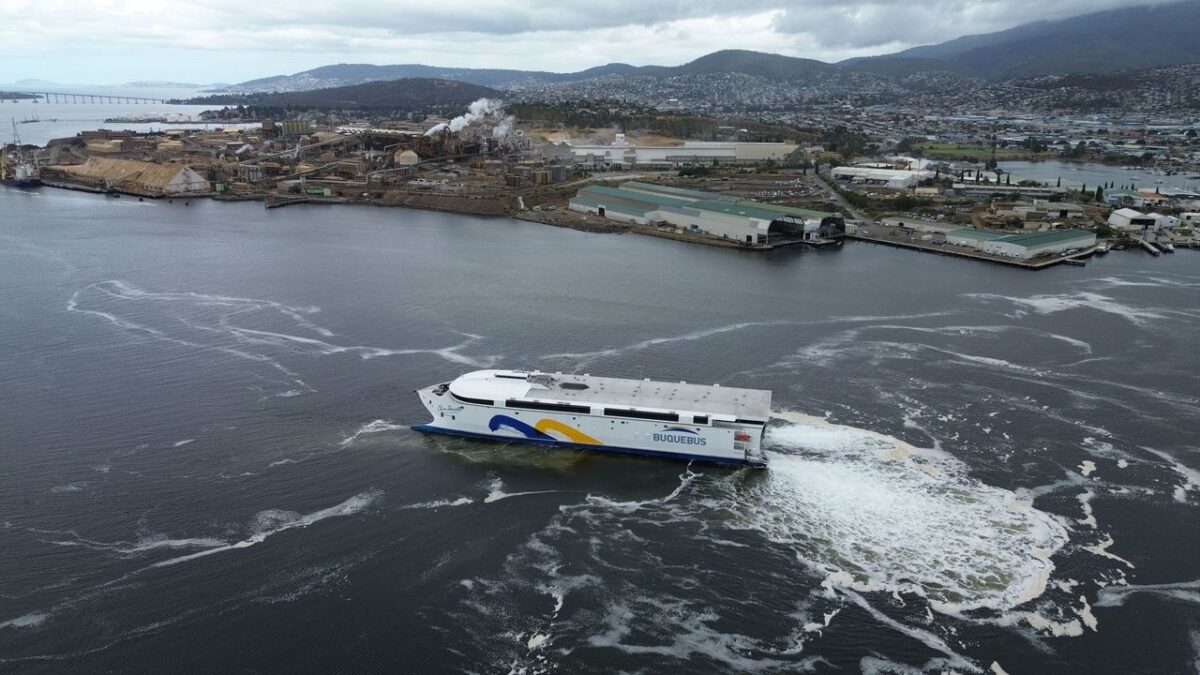
The final voyage of Hull 096 through Tasmanian waters has begun. The vessel is set to make history as the largest battery-electric ship ever built. It departed the Incat shipyard under its own electric propulsion system, crossing the River Derwent to Macquarie Wharf, where it will remain temporarily berthed.
This marks a symbolic and significant milestone, as it is the last time the giant ferry will navigate independently in the waters where it was built. The transfer represents a crucial phase in the vessel’s delivery schedule.
In the coming days, Hull 096 will be handed over to tugboats, which will carefully guide it aboard the Black Marlin, a heavy-lift vessel specially designed to transport oversized cargo. This complex logistics operation will mark the conclusion of the ferry’s journey in Tasmania.
Once loading is complete, the Black Marlin will set sail for South America, the vessel’s final destination, where it will begin a new chapter in its history. This voyage marks the end of an important chapter for Incat and the Australian shipbuilding industry, delivering to the world a vessel destined to become a benchmark in the evolution of low-emission maritime transport.
Innovative technologies for the production and recycling of electric and hybrid vehicles for the automotive, transport, and industrial sectors will be showcased at E-Tech Europe, taking place from 7 to 9 October 2026 at Bologna Exhibition Center as part of Urban Tech 2026 – The Urban Technology Show, the new exhibition dedicated to e-mobility, traffic, commuting, security, telecommunications & data, and environmental technologies.