Italian automotive sector: electric is the only segment creating jobs
27 July 2026
Spin: design, prototyping and industrialization of electrical motors and electromechanical devices at E-Tech Europe 2026
28 July 2026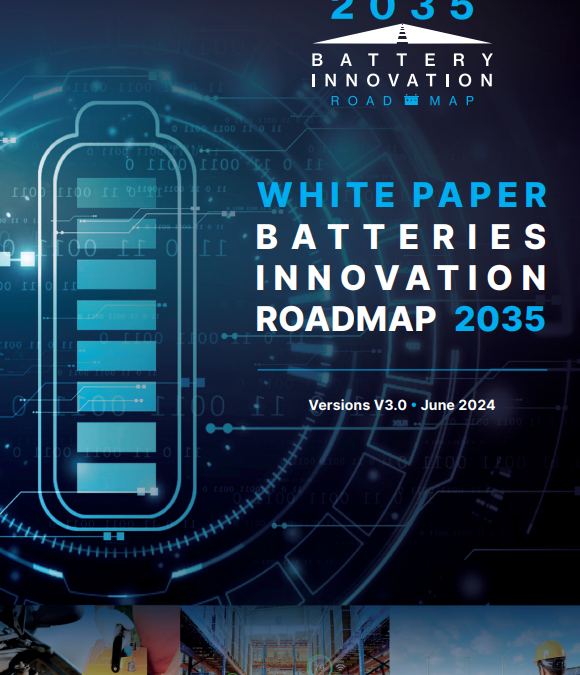
The global battery market is expected to reach a capacity of 7.25 TWh by 2035, driven by growing demand from the electric mobility, industrial and energy storage sectors. This is one of the key findings of the new Battery Innovation Roadmap 2035 published by Eurobat, the strategic document outlining the evolution of the main electrochemical battery technologies and identifying the priorities needed to strengthen the competitiveness of the European battery value chain in line with the European Union’s decarbonisation goals and strategic autonomy.
According to the roadmap, lithium-ion batteries will continue to be the fastest-growing market segment over the next decade, while lead-based batteries are expected to maintain a significant role despite the planned European ban on the sale of new internal combustion engine vehicles from 2035. At the same time, room-temperature sodium-ion batteries are identified as the emerging technology with the greatest potential for rapid market deployment, thanks to ongoing research and development efforts that are improving their competitiveness and performance in specific applications.
Nickel-based technologies and solid-state batteries
The report also examines the innovation potential of nickel-based technologies and solid-state batteries, as well as the new opportunities created by the digitalisation of the battery value chain, the Battery Passport and the new EU Battery Regulation. According to Eurobat, there is no single battery technology capable of meeting every market requirement. Instead, a diversified technology portfolio is essential to address a wide range of applications, reduce risks related to raw material availability and strengthen Europe’s industrial resilience.
Eurobat therefore stresses the need to ensure a level playing field for all battery technologies by supporting European manufacturing, investment in research and innovation, and the development of an increasingly circular and sustainable battery value chain. Key priorities include expanding domestic manufacturing capacity, strengthening battery recycling, reducing the carbon footprint of industrial processes and implementing the measures set out in the Green Deal Industrial Plan and the Net-Zero Industrial Act, which are considered essential to supporting Europe’s energy and industrial transition.
The outlook presented in the Roadmap will be among the key topics at E-Tech Europe 2026, the international exhibition dedicated to technologies for the manufacturing and recycling of electric and hybrid vehicles, taking place from 7 to 9 October 2026 at Bologna Exhibition Center as part of Urban Tech 2026 – The Urban Technology Show. The event will bring together companies, research centres and industry professionals from the automotive, transport and industrial sectors to showcase the latest innovations shaping the future of electric mobility and the European battery value chain.