Prima Electro: expertise and engineering capabilities for grid and energy electrification at E-Tech Europe 2026
23 September 2026
Siboni S.p.A: design and production of electric motors, planetary gearboxes, and integrated electronic motion control systems at E-Tech Europe 2026
28 September 2026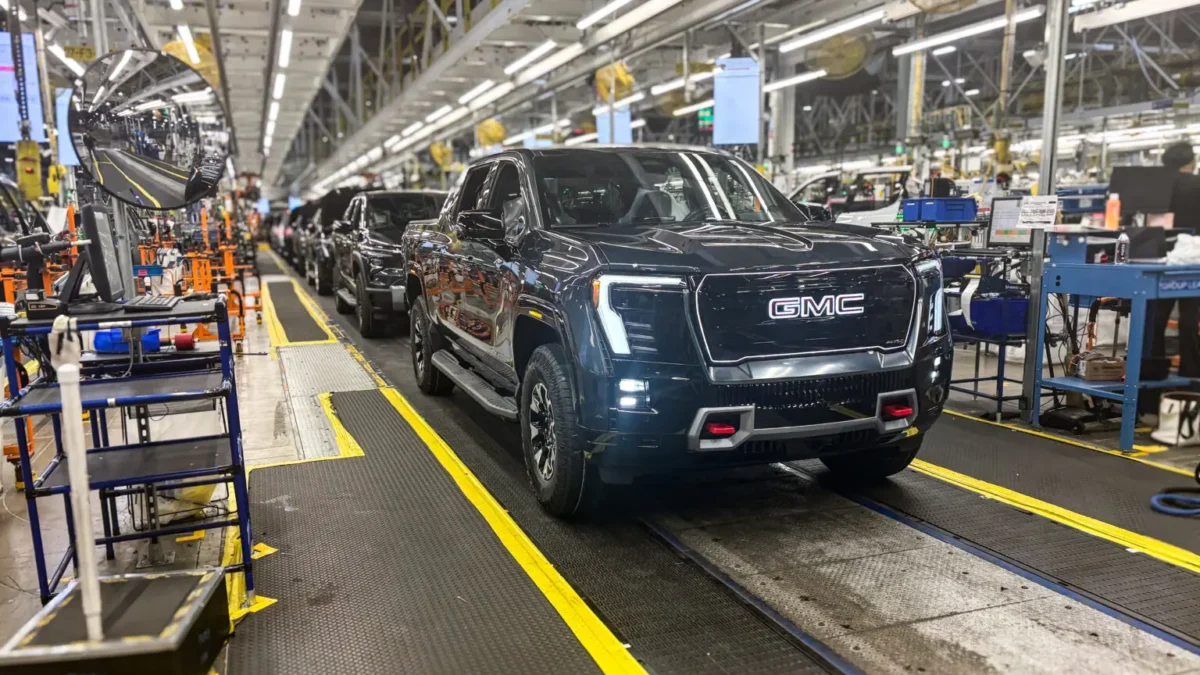
General Motors is taking another step toward a circular economy for electric vehicle batteries. In collaboration with Cirba Solutions and other industry partners, the American automaker has announced the successful completion of a pilot project that uses materials recovered from end-of-life EV batteries to manufacture new battery cells.
The achievement marks an important milestone: for the first time, GM has produced EV batteries using cathode active material (CAM) containing 100% recycled nickel, cobalt and manganese. The first vehicles equipped with these cells have already rolled off the production line and are now heading to customers.
From Old Batteries to New Cells: How the Recycling Process Works
The project was developed in partnership with Cirba Solutions, a leading North American battery recycling and management company responsible for dismantling and processing end-of-life GM EV battery packs.
The batteries were transported to Cirba Solutions’ recycling and recovery facility in Ohio, where they were processed into Black Mass, an intermediate material rich in critical minerals obtained through the shredding and processing of lithium-ion batteries.
However, recovering these materials is only the first step. Nickel, cobalt and manganese play a crucial role in battery performance, and recycled materials must meet the same quality standards as virgin minerals before they can be used to manufacture new cells.
Through an additional strategic partnership, the Black Mass produced by Cirba Solutions underwent further refining, enabling the production of new cathode active materials made entirely from recycled nickel, cobalt and manganese. The project also successfully validated their performance and suitability for manufacturing new batteries.
First Electric Vehicles With Recycled Battery Materials Already in Production
The recovered materials were used to manufacture new battery cells at Ultium Cells, the joint venture between General Motors and LG Energy Solution.
GM’s manufacturing teams subsequently assembled the cells into battery modules and packs at the company’s Factory ZERO and Spring Hill assembly plants. The first electric vehicles equipped with these batteries have already rolled off the production lines and are on their way to customers.
The achievement demonstrates the feasibility of a closed-loop supply chain in which materials recovered from end-of-life batteries are refined and reintroduced into the production of new EV batteries.
Importantly, the 100% recycled content refers specifically to the nickel, cobalt and manganese used in the cathode active material, rather than the entire battery.
“This pilot shows that the value of an EV battery can extend well beyond its first life – and that strong partnerships across the battery ecosystem are essential to building a more circular, resilient future for battery technology,” said Melissa Flaherty, Director of Sustainable EV Battery Ecosystem at General Motors.
Battery Recycling: A Strategic Resource for the Automotive Industry
Recovering critical minerals is expected to become increasingly important in the coming years as the global electric vehicle market continues to expand.
According to the forecasts cited by the companies, nearly 14 million EV batteries are projected to reach the end of their useful life worldwide by 2040. Meanwhile, global demand for lithium-ion batteries could reach between 4.2 and 6.8 TWh annually over the next decade.
Against this backdrop, recovering and reusing materials such as nickel, cobalt and manganese offers an opportunity to reduce dependence on newly mined raw materials while strengthening domestic manufacturing supply chains.
The GM and Cirba Solutions project also demonstrates how closed-loop recycling models could be extended to other industries, including energy storage systems, data centers and consumer electronics.
“Battery recycling is an important, intersecting component across the battery supply chain, and this program effectively demonstrates the value that recycling end-of-life batteries brings to creating a closed-loop supply of critical minerals,” said David Klanecky, President and CEO of Cirba Solutions.
According to Klanecky, industrial partnerships of this kind can help strengthen supply chains, manufacturing capabilities and international competitiveness.
More Sustainable Batteries and Potentially Lower Costs
Beyond reducing the need to extract new raw materials, battery recycling could help lower battery manufacturing costs over time while limiting the environmental impact of battery production.
Recovering critical minerals directly from end-of-life batteries could also allow automakers to diversify their sources of supply, reducing their exposure to fluctuations in international raw material markets.
The General Motors and Cirba Solutions pilot project provides a concrete example of how the automotive industry can successfully reintroduce recovered materials into the manufacturing cycle.
The next challenge will be scaling up these processes to an industrial level, making battery recycling economically competitive and capable of meeting a growing share of demand for electric vehicle batteries.
Innovative technologies for the production and recycling of electric and hybrid vehicles, targeting the automotive, transport and industrial sectors, will be showcased at E-Tech Europe, taking place from 7 to 9 October 2026 at BolognaFiere as part of Urban Tech 2026 – The Urban Technology Show, the new event dedicated to e-mobility, traffic, commuting, security, telecommunications & data, and the environment.