Electric vehicle battery recycling: a $70 billion market by 2040
17 April 2026
Graphene photonics, EU approves €211 million: 2D Photonics accelerates
23 April 2026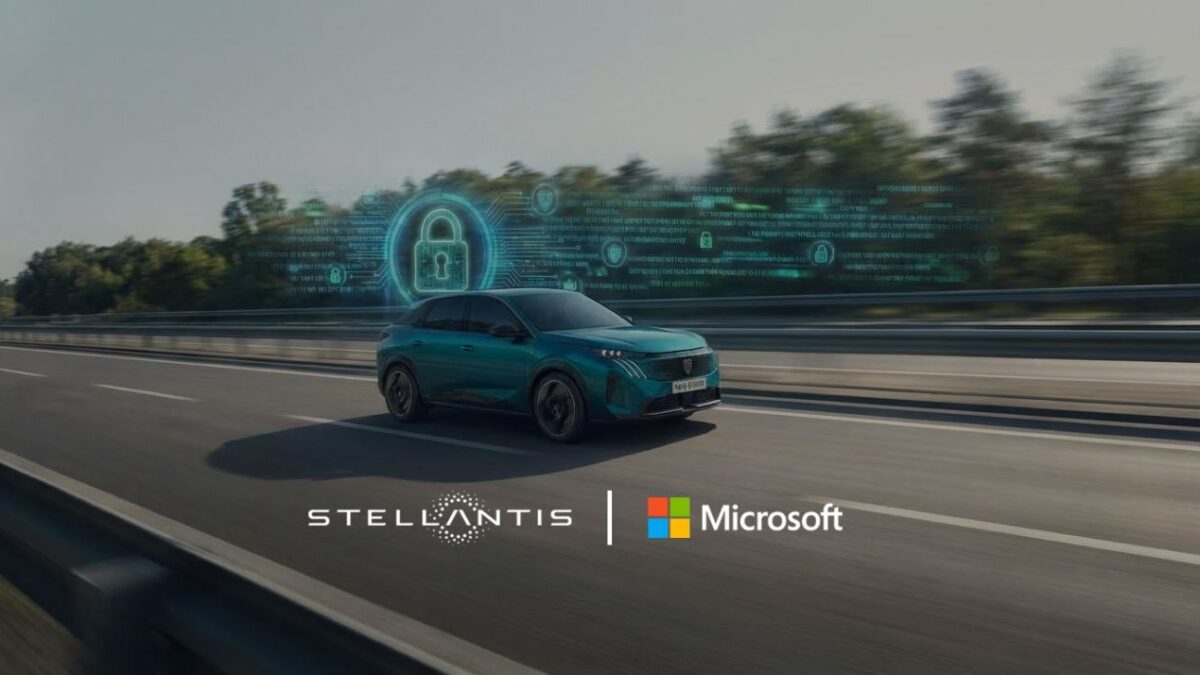
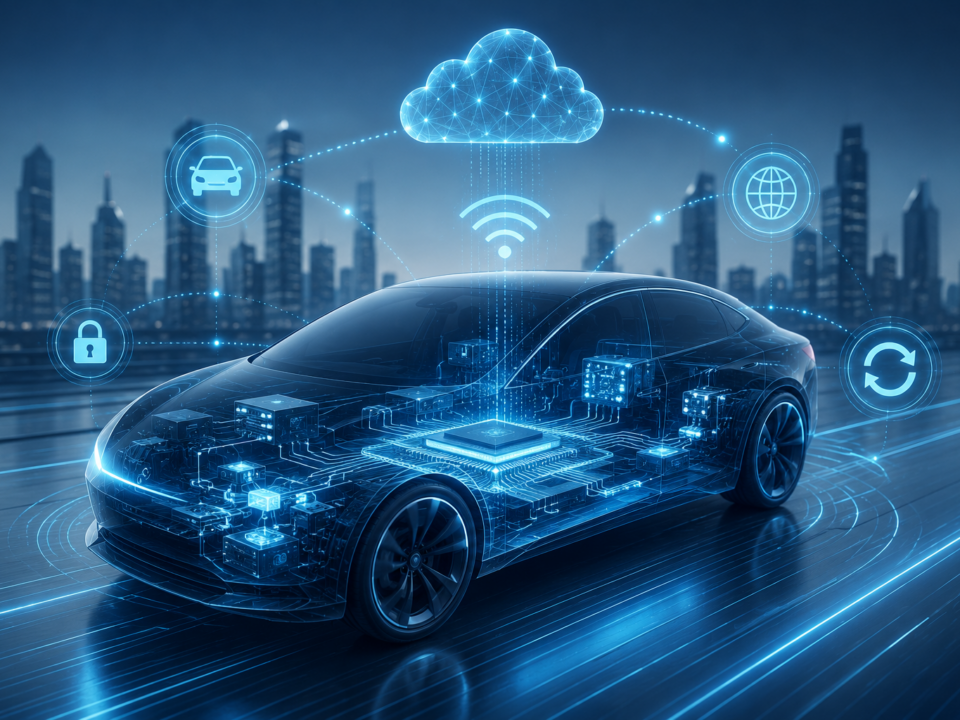
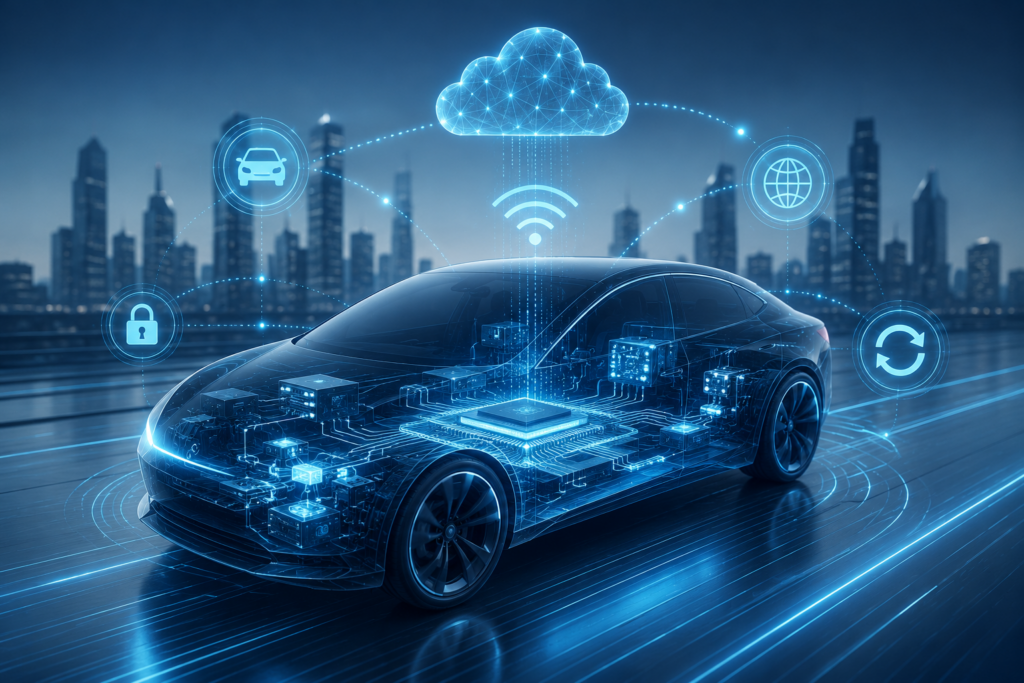
The digital transformation of the automotive sector is increasingly driven by artificial intelligence. This is the direction behind the joint announcement by Stellantis and Microsoft, which have signed a five-year strategic partnership to develop advanced solutions based on AI, cybersecurity and cloud technologies. The goal is clear: to accelerate the technological evolution of the automotive group, improve customer experience, and make industrial and digital processes more efficient on a global scale.
At the heart of the agreement is the joint development of more than 100 initiatives related to artificial intelligence. The projects will cover crucial areas such as customer support, product development, and industrial operations.
Among the most relevant applications:
- AI-enhanced vehicle development and validation;
- predictive maintenance and advanced testing;
- faster software updates and digital services.
AI will be powered by secure, encrypted data, with a direct impact on the driving experience as well. For example, Peugeot customers will be able to receive intelligent suggestions for more efficient city driving, as well as proactive notifications about the vehicle’s condition.
Cybersecurity: a global AI-powered center is created
Another pillar of the partnership concerns cybersecurity. Stellantis will strengthen its defense system by creating a global cybersecurity center powered by artificial intelligence.
This will enable:
- faster detection and prevention of threats;
- protection of connected data and services;
- improved operational resilience on a global scale.
This is a particularly sensitive issue for connected vehicles. Brands such as Jeep will also benefit from more secure connectivity, ensuring protected access to data in remote contexts.
The collaboration also includes a deep modernization of Stellantis’s IT infrastructure through Microsoft Azure. The plan aims to reduce the data center footprint by 60% by 2029. Moving to the cloud will enable greater operational agility, higher performance, and a more integrated digital ecosystem. In practice, connected services and software updates can be delivered more quickly and reliably to customers worldwide.
Not only products: artificial intelligence will also enter employees’ daily work. Stellantis is rolling out tools such as Microsoft 365 Copilot, with an initial batch of 20,000 licenses dedicated to specific roles. The initiative is accompanied by internal training programs, with the aim of increasing productivity and innovation capacity.
A decisive step toward the car of the future
The collaboration between Stellantis and Microsoft is another sign of how the automotive industry is evolving toward an increasingly software-defined model, in which artificial intelligence becomes an integral part of the vehicle—from design to user experience. For the group born from the merger between FCA and PSA, this represents a decisive acceleration toward a global digital ecosystem capable of supporting the transition to electric and connected mobility.
Innovative technologies for the production and recycling of electric and hybrid vehicles will be presented at E-Tech Europe, taking place 7–9 October 2026 at BolognaFiere, as part of Urban Tech 2026 – The Urban Technology Show, the new event dedicated to e-mobility, traffic, commuting, security, telecommunications & data, and environment.
Subscribe to our newsletter and follow us on social media to stay updated on industry news and the next edition of E-TECH EUROPE!