Electric cars: prices are starting to fall in Europe
20 May 2026
Stellantis launches project for affordable electric city cars from 2028
21 May 2026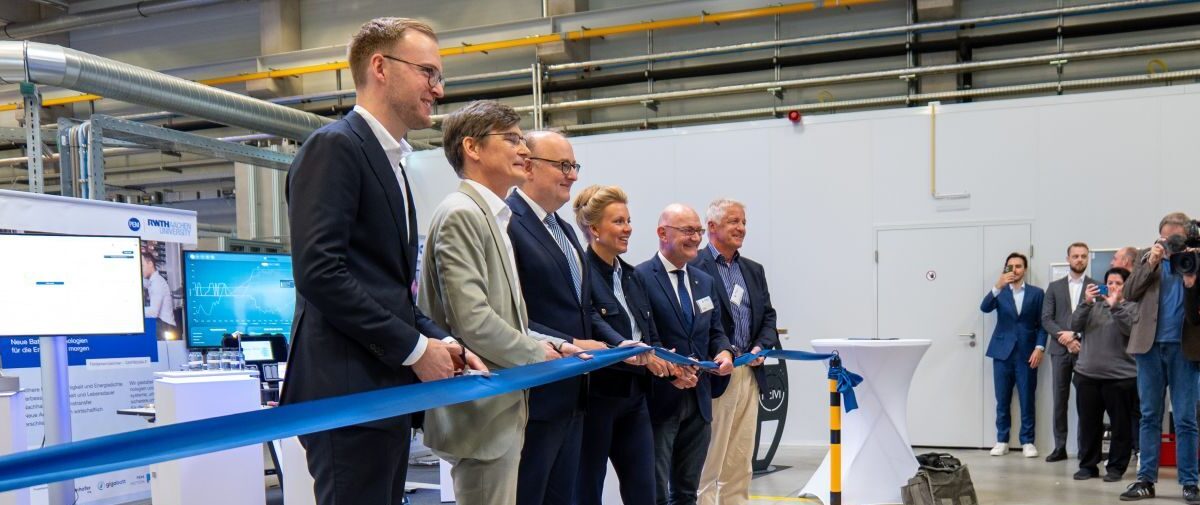
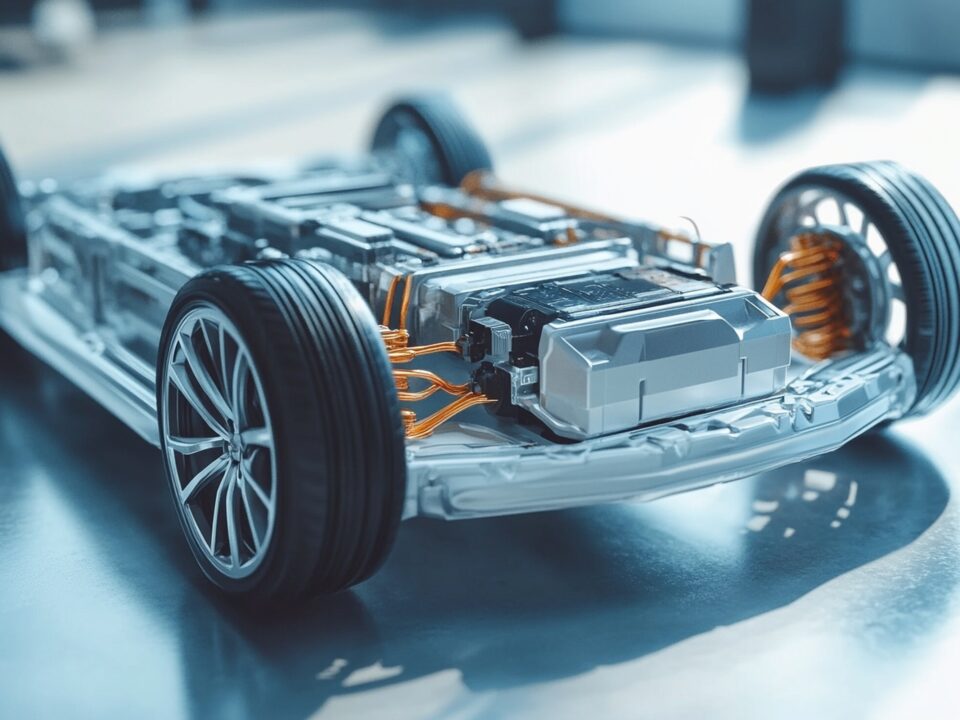
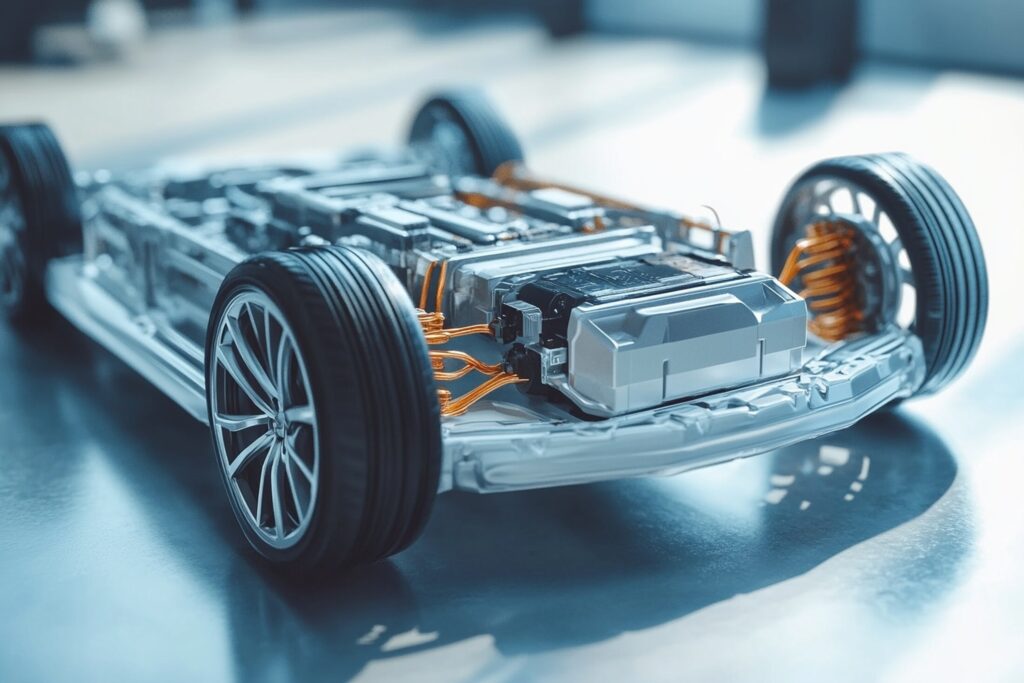
The race for next-generation batteries is entering an even more competitive and structured phase. In Aachen, the “Fast Battery Custom” (#FastBat) initiative has been officially launched, a new research cluster funded with €50 million under Germany’s High-Tech Agenda, designed to make the development of electric mobility technologies faster and more industrially scalable.
The initiative aims to solve one of the key problems in the EV sector: the excessively long time between research, development, and battery production. This bottleneck currently has a direct impact on how quickly electric cars, energy storage systems, and new architectures can reach the market.
The project is led by RWTH Aachen University, one of Europe’s most important centers for battery engineering and applied research, through its PEM Group. Around the university, a network has been built involving industrial and research players such as the Fraunhofer Research Institution for Battery Cell Production FFB, PEM Motion, as well as organizations specialized in data analytics and digital technologies like ACCURE Battery Intelligence and Capgemini.
FastBat has a very concrete goal: to accelerate the entire battery value chain, from design to industrial-scale production. The cluster will work on more flexible and scalable production systems, new chemistries such as solid-state and sodium-ion batteries, and advanced recycling solutions, which are becoming increasingly central in the European EV supply chain.
The role of AI
Artificial intelligence will also play an important role, being integrated into development and testing processes to reduce validation times and improve cell reliability. Alongside technology, the project also focuses on training new skills, a crucial factor for supporting the growth of the electric sector in Europe.
The idea is to create an ecosystem in which universities, industry, and startups work in a coordinated way, reducing the gap between laboratory research and industrial production. This approach is increasingly demanded in the global EV market, where the speed of innovation has become a decisive competitive factor.
The launch event was also attended by the Minister of Science of North Rhine-Westphalia, Ina Brandes, as well as key figures from the German technology landscape such as Achim Kampker and Joachim Fetzer.
With FastBat, Germany is thus strengthening its battery strategy, aiming to make the development of technologies that will power the next generation of electric vehicles faster and more competitive.
Subscribe to our newsletter and follow us on social media to stay updated on industry news and the next edition of E-Tech Europe!