E-Tech Europe 2026 conference programme puts electric vehicle innovation in the spotlight
22 June 2026
Germany: incentives drive the EV market to record highs
30 June 2026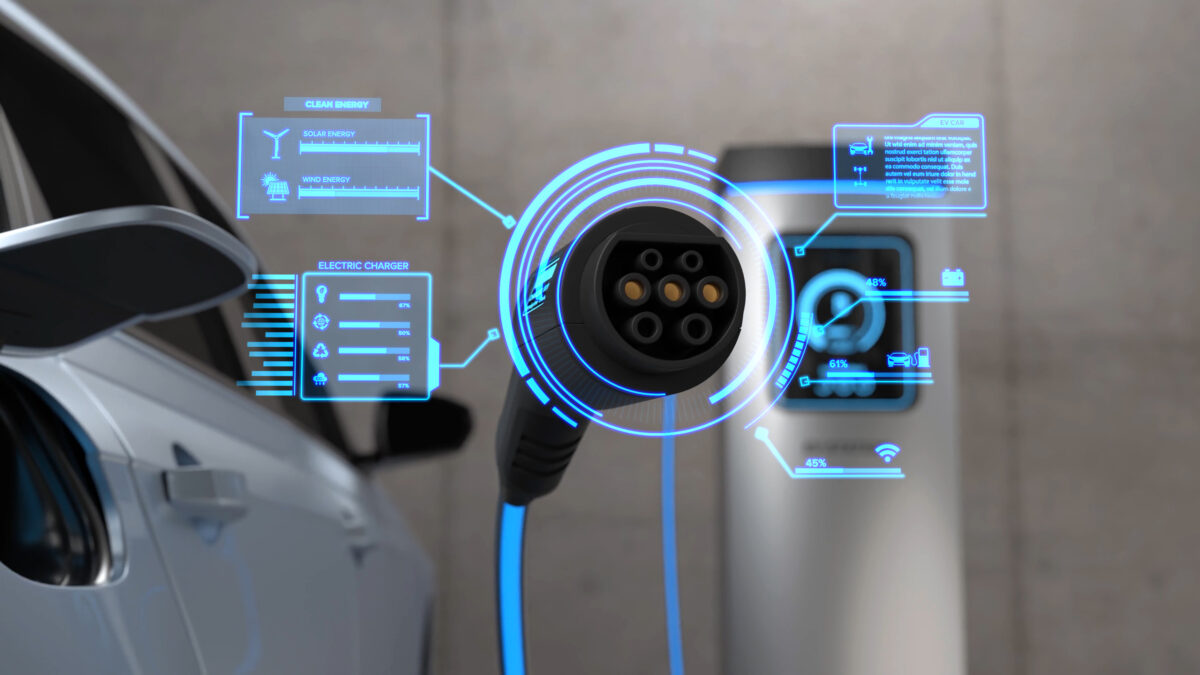
The electric cars of the future will not only be zero-emission means of transport. Thanks to bidirectional charging, they could become a strategic component of the energy system, helping to stabilize the grid and maximize the value of renewable energy generation.
This is highlighted in a study commissioned by Transport & Environment (T&E) and conducted by the German research institute Fraunhofer ISI. According to the report, widespread adoption of Vehicle-to-Grid (V2G) technology could generate up to €36 billion in savings on energy infrastructure investments across Europe.
The principle is simple: when connected to a compatible charging station, electric vehicles can not only recharge their batteries but also feed electricity back into the grid during periods of peak demand. In this way, vehicles become true mobile batteries, capable of storing electricity generated by solar and wind power when production is abundant and supplying it when it is needed most.
According to the analysis, large-scale deployment of V2G could reduce the need for stationary energy storage systems by up to 72 GW, significantly lowering the requirement for new investments in the energy sector.
Accelerating the adoption of bidirectional charging
The study also issues a warning. Any slowdown in the transition to electric mobility, caused by a weakening of European vehicle emissions targets, could have significant economic and infrastructure consequences.
Fewer electric vehicles would also mean less flexibility for the power grid. To compensate for the absence of millions of mobile batteries, Europe would need to increase reserve capacity and build additional infrastructure to manage peak electricity demand.
For this reason, the deployment of bidirectional charging must be accelerated. Today, only a limited share of electric vehicles and charging infrastructure is compatible with V2G technology. T&E therefore proposes that the European Union introduce a requirement for all new electric vehicles to be equipped with interoperable bidirectional charging systems by 2032.
For the charging infrastructure and electric mobility sectors, the message is clear: V2G is not simply the next technological evolution in charging; it is one of the key enablers of a more efficient, resilient energy system that is less dependent on fossil fuels.
Innovative technologies for the production and recycling of electric and hybrid vehicles for the automotive, transportation, and industrial sectors will be showcased at E-Tech Europe, taking place from 7 to 9 October 2026 at BolognaFiere as part of Urban Tech 2026-The Urban Technology Show, a new event dedicated to e-mobility, traffic, commuting, security, telecommunications & data, and environmental technologies.
Subscribe to our newsletter and follow us on social media to stay updated on industry news and the next edition of E-Tech Europe!